Choosing a new gas boiler requires considering the type, size, fuel source, and efficiency that best fit your home.
A well-matched boiler should handle both your hot water and heating demands without wasting energy. But with options like combi, system, and conventional boilers – plus gas, oil, and electric models – it’s important to understand the differences before you make a final decision.
This guide will teach you how to choose the right boiler for your home. For expert advice and professional installation, call Direct Home Services at (860) 339-6001. We’re located at 57 Ozick Dr Suite i, Durham, CT 06422 and serve homeowners across central Connecticut.
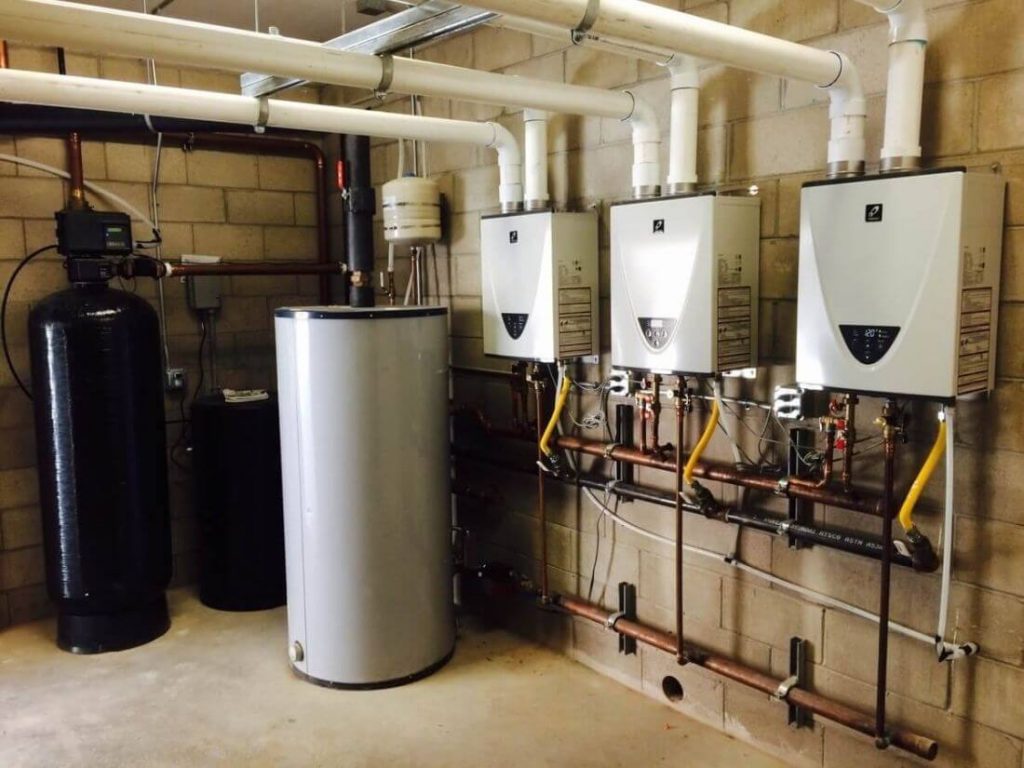
Factors to Consider Before Choosing a Boiler for Your Home
Below are factors to consider before choosing a boiler:
- Type of boiler system
- Fuel type
- Boiler size/output
- Hot‑water demand and home size
- Efficiency rating
- Installation cost
- System compatibility
Type of Boiler System
The main types of boilers used in homes are combi, system, steam, and conventional boilers.
Combi Boilers
Combi boilers heat water on demand and don’t require a storage tank.
A combi boiler is compact and ideal for smaller homes with one bathroom. Since they only produce hot water when needed, they’re efficient. However, a combi boiler may struggle with multiple outlets running at once.
System Boilers
System boilers use a separate hot water cylinder but no cold water tank.
They’re well-suited for homes with multiple bathrooms or higher hot water demand. Since most components are built into the unit, installing system boilers is simpler than with a conventional system. These heating units also maintain high water pressure and can support simultaneous use at multiple taps.
Conventional Boilers
Conventional boilers, also called regular or heat-only boilers, use both a hot water cylinder and a cold water tank.
They’re best for larger homes with older radiator systems or where water pressure is low. Although they take up more space, they can handle high hot water demand across multiple bathrooms and are compatible with traditional heating layouts.
Steam Boilers
Steam boilers turn water into steam and circulate it through radiators using natural pressure.
They’re typically found in older homes or buildings with existing steam piping and cast-iron radiators. While not usually installed in new homes, steam boilers are reliable and powerful when properly maintained. However, they need more attention to water levels and pressure settings.
Fuel Type
The main fuel types for residential boilers are natural gas, propane, oil, and electricity.
Gas Boilers
Gas boilers are the most common where a natural gas line is available.
They’re efficient, cost-effective, and compatible with combi, system, and conventional boiler setups. Gas is often the most affordable fuel option in areas with utility access and requires minimal maintenance.
Propane Boilers
Propane boilers are ideal for homes without natural gas access.
They operate like gas boilers but rely on a refillable outdoor tank. Propane is a cleaner-burning alternative to oil and works well for off-grid or rural homes.
Oil Boilers
Oil boilers are suited for homes that have space for a fuel tank and no access to gas lines.
They produce strong heat output and are common in colder regions, but running costs are generally higher than gas or propane. Oil systems also require regular filter changes and more frequent servicing.
Electric Boilers
Electric boilers are compact and don’t need a flue or fuel tank.
They’re ideal for smaller homes or apartments with limited space, though electric heating can cost more over time than gas-based systems. These units are nearly silent and have fewer moving parts, which can reduce mechanical wear.
Boiler Size
Choosing a boiler size means matching the unit’s output to your home’s heat and hot water needs without wasting fuel or overworking the system.
An undersized boiler will struggle to keep your space warm, while an oversized one will cycle too often. Boiler sizing is measured in kilowatts (kW) and depends on factors like the number of radiators, bathrooms, and overall insulation. A common boiler sizing rule of thumb is:
- 24–30 kW for small homes with 1 bathroom
- 30–35 kW for medium homes with 2 bathrooms
- 35–42 kW for larger homes with 3+ bathrooms
However, this general guidance only works when you account for fuel type, water tank setup, and whether you’re using a combi boiler or a system boiler. Combi boilers need to cover both space heating and on-demand hot water, which can push the size requirement higher. System and conventional boilers use a hot water tank, so their size depends more on the heating load.
For help choosing the right boiler size for your home, call our HVAC company at (860) 339-6001. Our technicians will perform proper calculations based on insulation, square footage, the number of radiators, and your hot water usage.
Hot Water Requirements and Home Size
Your hot water usage and home size directly affect the type and size of boiler you should install.
A small home with one bathroom may only need a compact combi boiler, while larger homes with multiple bathrooms often require a system boiler with a hot water tank. If several taps or showers are used at the same time, the boiler must be sized to meet peak demand without running out of hot water.
Energy Efficiency Rating
A boiler’s energy efficiency rating measures how effectively it converts fuel into usable heat for your home.
This rating is expressed as AFUE (Annual Fuel Utilization Efficiency). For example, a boiler with a 90% AFUE converts 90% of its fuel into heat, while 10% is lost through the flue.
Modern condensing boilers have higher AFUE ratings – often 90% or more – because they capture and reuse heat from exhaust gases. Higher efficiency ratings reduce fuel waste, lower heating costs, and are especially important in cold climates where boilers run more often.
Boiler Installation Cost
The cost of installing a new boiler depends on the boiler type, system complexity, and any changes needed to your current setup.
On average, installation can range from $4,000 to $10,000. However, this depends on whether you’re replacing a gas combi boiler, upgrading to a system boiler with a hot water tank, or switching fuel types entirely.
Labor, venting, and parts all affect the final price, especially if your home needs pipe adjustments or flue upgrades. Combi boilers tend to have lower installation costs due to their compact, all-in-one design. Conventional or steam boiler systems often cost more because of additional tanks, radiators, or zoning work.
If you are not sure what your installation will involve, call (860) 339-6001 to get a personalized quote for your home heating system. We’ll help you choose the right boiler type, fuel source, and size based on your home’s layout, hot water needs, and budget.
System Compatibility
System compatibility refers to how well a new boiler fits with your existing home heating setup, including pipes, controls, radiators, and venting.
Before installing a new boiler, check whether it matches your current system layout. For example, replacing a conventional boiler with a combi may require removing the hot water tank and altering pipework. Switching fuel types (like oil to gas) or upgrading to a high-efficiency condensing boiler may also require flue modifications, drainage for condensate, or thermostat upgrades.
If your home has older radiators, gravity-fed systems, or outdated zone valves, a heating professional will have to update parts of the system to ensure reliable operation and safety.
Always contact a licensed HVAC professional for inspection to confirm compatibility before choosing a new boiler.
Find the Best Boiler for Home Heating With Us!
Choosing a boiler for your home is a long-term decision that affects comfort, efficiency, and monthly energy costs.
From boiler type and fuel source to home size and hot water usage, every detail plays a role in selecting the right model. This guide covered the key considerations to compare so you can make an informed decision.
For professional assistance in Middlefield, CT, call Direct Home Services at (860) 339-6001. We’ll walk you through the best residential boiler brands and install the heating system that matches your home’s layout, water demand, and energy goals.
FAQs
How do I calculate what size boiler I need?
Boiler size depends on your home’s square footage, insulation, number of radiators, and hot water demand. A heating professional can calculate the correct output using a heat loss formula tailored to your property.
What size boiler do I need for a 2,000 square foot house?
Most 2,000 sq. ft. homes need a boiler with an output of 30–35 kW, but exact sizing depends on insulation, layout, and hot water usage.
Is it better to oversize or undersize a boiler?
Both options reduce efficiency, but oversizing causes short cycling and higher fuel use, while undersizing leaves your heating system struggling to keep up. It’s best to choose the right boiler size based on your home’s specific heating requirements.
What kind of venting does a boiler need?
Boilers require either a standard flue or a sealed system for venting exhaust gases. The type of venting depends on the boiler model and fuel source.
Is natural gas the most efficient fuel for home boilers?
Natural gas is often the most cost-effective and widely available fuel for heating systems. It’s compatible with most boiler sizes and supports high-efficiency models.
How does heat loss affect boiler sizing?
Higher heat loss means you’ll need a larger boiler to maintain comfort. Insulation, window type, and air sealing all impact the heat loss rate in your home.
Can all boilers work with existing heating systems?
Not always – some new boilers may require upgrades to piping, radiators, or controls. A technician should evaluate your current heating system for compatibility.