The most common boiler problems include low pressure, internal faults, or blocked pipes. These issues can stop your system from producing heat or hot water.
These problems often produce warning signs before complete failure. You might hear gurgling noises in the pipes, notice that some radiators stay cold, or see an error code on the control panel. Most of these issues can’t be ignored, as they’ll lead to more serious breakdowns or water damage.
In this guide, you will learn the most common boiler problems and their solutions. For immediate help, call Direct Home Services at (860) 339-6001. We’re located at 57 Ozick Dr Suite i, Durham, CT 06422.
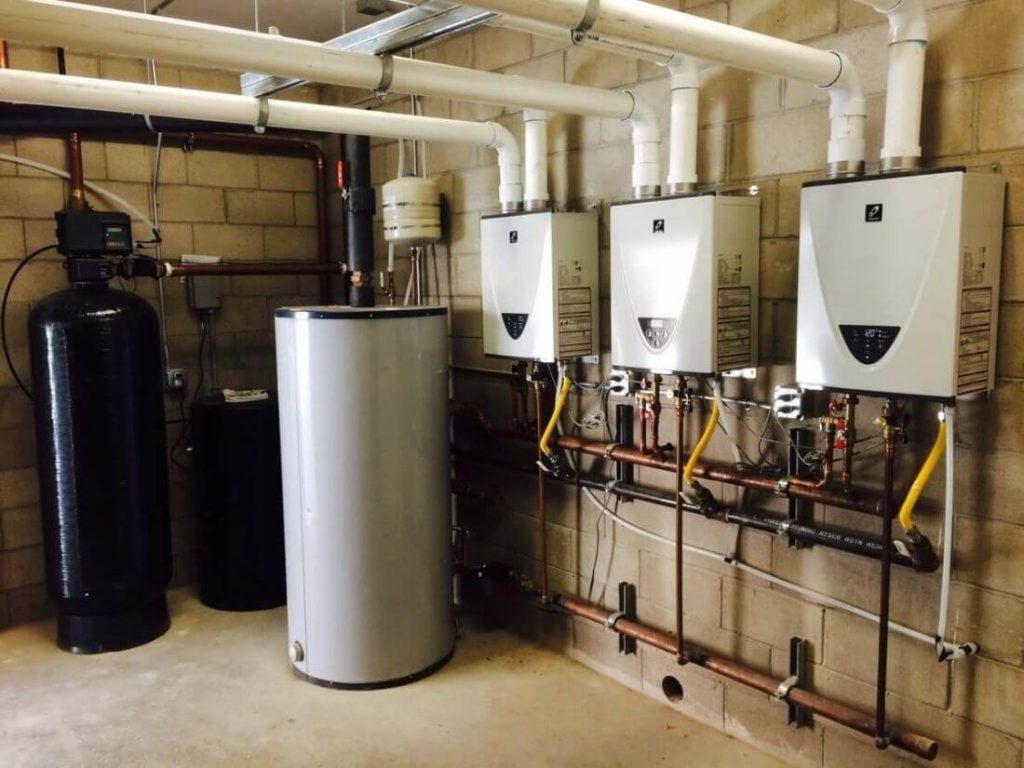
1. No Hot Water or Heat From Your Boiler
No hot water is a common boiler problem that indicates low boiler pressure, a faulty thermostat, or a broken internal component.
To fix the issue, check the boiler pressure gauge – anything below 1.0 bar means the system doesn’t have enough pressure to function. Repressurizing with the filling loop may restore heat, but if pressure keeps dropping, there could be a hidden leak.
Next, inspect the thermostat for dead batteries, incorrect settings, or a failed unit that can prevent the boiler from firing at all.
If these checks don’t resolve the issue, the problem can involve a malfunctioning diverter valve, which controls whether hot water flows to your taps or radiators. If the valve sticks or fails, you may get heat but no hot water, or vice versa.
Some systems will display an error code when heat output fails. This can help identify the fault, but a licensed technician should always handle internal component repairs.
If you’ve tried the basics and still have no heat or hot water, call (860) 339-6001 for a full diagnostic and repair in Middlefield, CT.
2. Water Leaks Around Your Boiler or Nearby Pipes
Internal corrosion, faulty valves, or leaking pipe joints can cause water to collect under or near your boiler.
If you see water leaks, start by checking visible pipework and fittings around the boiler. Over time, metal pipes and joints can develop minor cracks or wear, especially if the system has hard water buildup or aging components. Leaks may also come from the pressure valve if the system has been over-pressurized, or from the pump seals if they’ve started to fail.
In condensing boilers, internal corrosion from acidic condensate or loose fittings can also cause water to escape into the boiler casing or floor below.
If the leak isn’t visible but water pressure keeps dropping, a hidden pipe behind walls or under flooring may be the source. Turn off the boiler and water supply before calling a local HVAC technician near you for inspection.
3. Strange Boiler Noises
Unusual boiler noises like banging, gurgling, or whistling often signal trapped air, pump failure, or heat exchanger blockages.
Here are five common boiler noises and what they usually mean:
- Gurgling: Often caused by air trapped in pipes or radiators, which interrupts water flow and reduces heating efficiency.
- Banging (Kettling): A result of limescale or sludge buildup on the heat exchanger, creating boiling hot spots and pressure spikes.
- Whistling: Similar to a kettle boiling, this may indicate restricted water flow or a partially closed valve.
- Buzzing or humming: Could point to a loose component, an electrical issue, or a worn-out pump working harder than it should.
- Tapping or clicking: Usually comes from expanding or contracting pipes as they heat up or cool down, often rubbing against wall brackets.
To fix strange boiler noises, start by bleeding the radiators to remove trapped air. Use a radiator key to open the bleed valve slightly until you hear air hissing out, then wait until a steady stream of water flows. Once the water appears, close the valve securely and check the boiler pressure to ensure it remains within the recommended range. Repeat this process on each radiator with cold spots or noise. If the noise continues, have our technician inspect the boiler.
4. Low Boiler Pressure
Low boiler pressure usually means there’s a leak in the system, air in the pipes, or a recently bled radiator. If pressure drops below 1.0 bar, your boiler may stop producing heat or hot water.
Check the pressure gauge on the front of the unit – most systems should stay between 1.0 and 1.5 bar when cold. If it’s too low, try repressurizing using the filling loop according to your boiler’s manual.
Be sure to close the valves tightly afterward. If pressure drops again within a day or two, it may point to a slow leak in the system or a faulty pressure relief valve. Persistently low pressure should be checked by a reliable heating service company.
5. Frozen Condensate Pipe
A frozen condensate pipe can block water flow and shut down your boiler in cold weather. This is a common problem in condensing boilers, especially when the pipe runs outdoors or through unheated spaces.
You might see an error code, hear gurgling noises, or notice that the boiler isn’t firing. If the condensate pipe is frozen, thaw it gently by pouring warm (not boiling) water over its exterior unit. Never use an open flame or direct heat source. Once thawed, reset the boiler to see if it resumes normal operation.
To prevent this in the future, insulate the condensate pipe with foam tubing or relocate it indoors if possible. If the pipe keeps freezing or the system doesn’t restart after thawing, call Direct Home Services at (860) 339-6001 for help anywhere near Middlefield, CT.
Common Gas Boiler Problems
Gas boilers can develop ignition and combustion issues that affect both heating and hot water.
Here is a list of common gas boiler problems and what they usually mean.
- Pilot Light Keeps Going Out: Often caused by a faulty thermocouple or draft blowing out the flame.
- Burner Won’t Ignite: Can result from low gas pressure, ignition failure, or a blocked burner.
- Flame Is Yellow Instead of Blue: May signal incomplete combustion and requires immediate inspection.
- Frequent Lockouts: Caused by internal faults like sensor failure or overheating.
- Error Codes Related to Gas Flow: Some systems detect an unstable gas supply and shut down for safety.
- Gas Smell Near the Boiler: Could indicate a leak – shut off the gas supply and call emergency services.
- Unstable Heat Output: Boiler may cycle on and off due to irregular gas pressure or a blocked flue.
If your gas boiler shows any of these signs, call us at (860) 339-6001. We service gas heating systems in Middlefield, CT, and nearby towns.
Common Oil Boiler Problems
Oil boilers can run into fuel and combustion issues that affect heating performance and overall safety.
Here is a list of common oil boiler problems and what they usually mean.
- Boiler Won’t Start: Often linked to an empty oil tank, a tripped reset, or a power issue at the unit.
- Soot Buildup Inside the Boiler: Usually caused by poor combustion, a dirty nozzle, or incorrect burner settings.
- Burner Keeps Locking Out: Can point to a clogged oil filter, failing ignition, or a worn nozzle.
- Strong Oil Smell Near the Boiler: May signal a fuel line issue or a small leak that needs service right away.
- Smoke or Exhaust Odor: Often tied to a dirty flue, blocked airflow, or an inefficient burner.
- Boiler Runs but Doesn’t Heat Well: Commonly caused by a dirty burner, low fuel flow, or overdue maintenance.
- Rumbling or Vibrating Sounds: Can happen when the burner is misfiring or when the fuel spray is uneven.
If your oil boiler shows any of these signs, call us at (860) 339-6001.
Common Steam Boiler Problems
Steam boilers often have issues with pressure, water level, and scale buildup that impact both safety and performance.
Here is a list of common steam boiler problems and what they usually mean.
- Low Water Level: Can trigger automatic shutdowns to prevent damage. Often caused by faulty level sensors or slow-filling valves.
- No Heat or Poor Steam Production: May result from scale deposits on the heat exchanger or incorrect pressure settings.
- Water Hammer (Loud Banging in Pipes): Caused by steam condensing in collected water due to sloped piping or drainage issues.
- Slow Heating Radiators: Common when air is trapped in the system or air vents are blocked.
- Pressure Too High or Too Low: Faulty pressure control, clogged pigtail, or misadjusted settings can cause pressure instability.
- Excessive Cycling: Boiler turns on and off too often due to short-cycling, usually from thermostat or pressure control issues.
- Corrosion Inside the Boiler: Caused by oxygen-rich feedwater or improper chemical treatment.
Call (860) 339-6001 if your steam boiler shows signs of any of these problems.
Call to Inspect Your Heating System at the First Sign of Boiler Trouble
If your boiler is leaking, making noise, or struggling to produce hot water, don’t wait for a full breakdown.
Use this guide to identify common boiler faults and try the safe checks listed. But if the boiler still won’t run, the pressure keeps dropping, or warning signs return, it’s time for a professional inspection.
Call Direct Home Services at (860) 339-6001 to schedule a full heating system inspection. We serve Middlefield, CT, and nearby areas.
FAQs
What is the most common cause of boiler failure?
Low pressure, worn internal parts, or limescale buildup are the most frequent causes of boiler failure.
What is the typical lifespan of a boiler?
Most boilers last 10–15 years with proper maintenance.
How do you know if something is wrong with your boiler?
If your boiler is not turning on, losing pressure, making noise, or showing an error code, there’s likely a system fault.
Why is my oil boiler not firing up?
Common reasons include an empty oil tank, a blocked nozzle, or ignition failure.
Why is my boiler making a humming noise?
Humming usually means the pump is vibrating or a component is loose.
Can corrosion cause boiler problems?
Yes, corrosion can damage internal parts, weaken pipes, and lead to leaks or boiler failure over time.